
Multiple E-Wallet Payments in Malaysia: A Merchant Guide
August 27, 2026
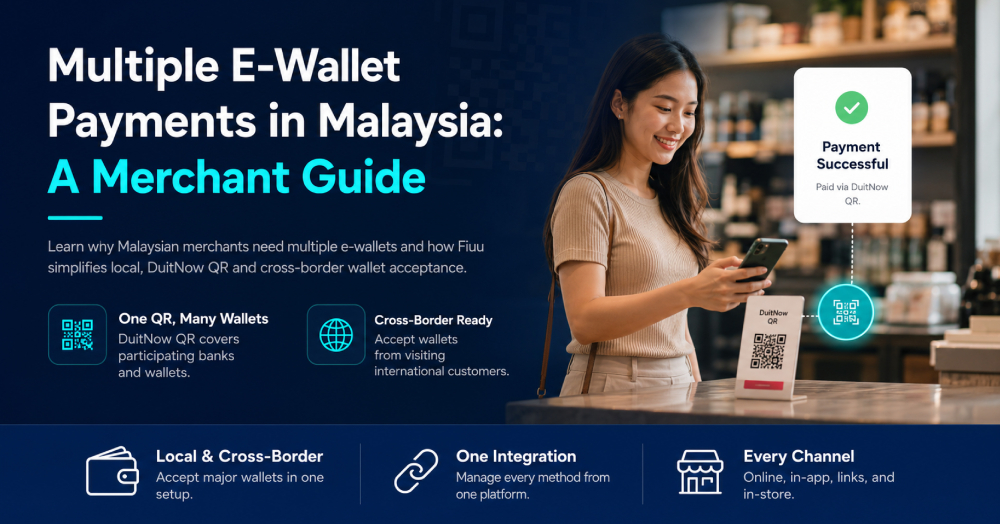
Why Malaysian Merchants Need More Than One E-Wallet at Checkout
Malaysia’s e-wallet market is entering a new phase. E-wallets are no longer used only for occasional QR payments. They are increasingly connected to transport, rewards, bills, financial services, travel and other everyday activities.
A recent development at TNG Digital illustrates this wider shift. In an August 2026 Fintech News Malaysia interview, CEO Alan Ni said TNG eWallet had reached 27 million verified users. Payments accounted for approximately 47% of the company’s year-to-date income in 2026, while cross-border payments, business technology, merchant services and other ecosystem services contributed to the remainder.
For merchants, the takeaway is not simply that one e-wallet has grown. It is that e-wallets are becoming more embedded in how customers manage and spend their money, making multi-wallet payment acceptance an increasingly important part of checkout strategy.
Why should Malaysian merchants accept multiple e-wallets?
Customers use different wallets, banking apps and payment methods. Supporting multiple local and cross-border wallets gives customers more ways to pay, while one payment platform can simplify integration and payment management for the merchant.
One E-Wallet Does Not Cover Every Customer
TNG eWallet has significant reach in Malaysia, but customers do not all pay the same way.
One customer may prefer Touch ’n Go eWallet, while another uses GrabPay, Boost, ShopeePay or MAE. Others may pay through a participating banking or e-wallet app using DuitNow QR. International visitors may prefer supported wallets from their home markets, such as GCash, KakaoPay, DANA or TrueMoney.
Payment preferences can depend on available wallet balance, familiarity, rewards, convenience, purchase context and whether the customer is paying locally or while travelling.
The merchant objective should therefore not be to choose one winning wallet. It should be to provide sufficient payment coverage so more customers can complete their purchases using a familiar method.
The right payment mix will differ by business. An online retailer may need cards, FPX and major Malaysian e-wallets. A physical retailer may benefit from DuitNow QR and terminal-based acceptance, while businesses serving tourists may also need cross-border wallets.
The Operational Challenge of Multiple Payment Methods
Adding payment methods can expand customer choice, but connecting and managing each one separately may create additional work.
Depending on the providers and implementation, merchants may need to handle different integrations, onboarding requirements, technical testing, transaction reports, settlement arrangements and points of contact.
This becomes more complicated when a business accepts payments across websites, mobile apps, payment links and physical outlets.
The strategic question is therefore not only which wallets a merchant should accept, but how those payment methods can be managed without creating unnecessary operational complexity.
How Fiuu Simplifies Multi-Wallet Payment Acceptance
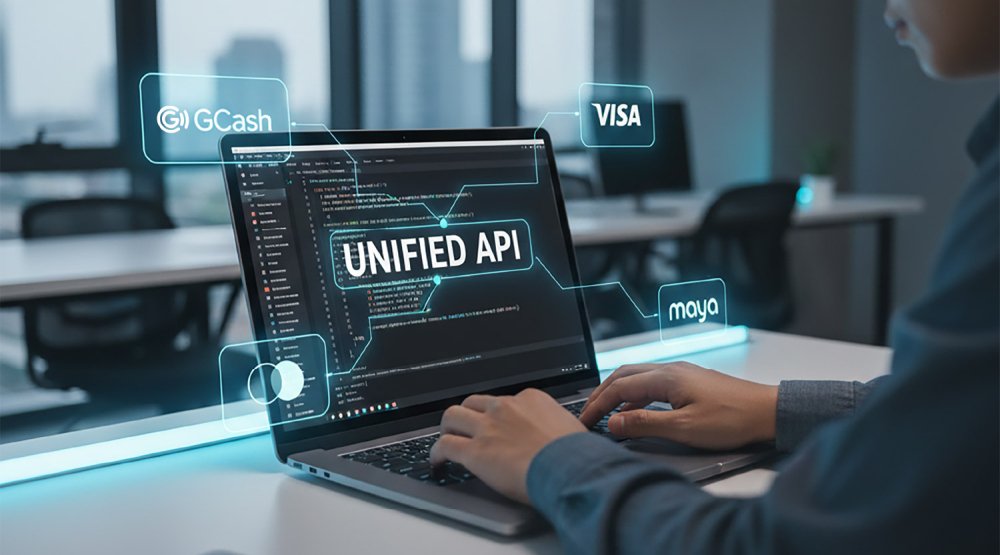
Fiuu enables eligible Malaysian merchants to access multiple local and cross-border payment methods through one integration and payment platform.
Instead of managing every payment method independently, merchants can use Fiuu to expand their e-wallet coverage alongside other essential options such as cards, FPX and DuitNow QR.
| Merchant requirement | How Fiuu supports it |
| Local e-wallet coverage | Accept supported methods such as Touch ’n Go eWallet, GrabPay, Boost, ShopeePay and MAE. |
| DuitNow QR acceptance | Accept payments from participating Malaysian banks and e-wallets through one QR code. |
| Cross-border wallet coverage | Access supported Alipay+ payment partners such as GCash, KakaoPay, DANA and TrueMoney. |
| Broader checkout choice | Offer e-wallets alongside cards, FPX, DuitNow QR and other supported payment methods. |
| Simplified management | Manage supported payment channels through one payment platform and merchant relationship. |
| Flexible acceptance | Enable relevant methods across supported online, mobile, payment-link and in-person payment experiences. |
Individual payment methods may remain subject to merchant eligibility, onboarding, approval, technical testing and activation.
Expand Local and Cross-Border Payment Coverage
DuitNow QR is Malaysia’s interoperable national QR payment standard. According to PayNet, it enables merchants to accept payments from participating banks and e-wallets through one QR code.
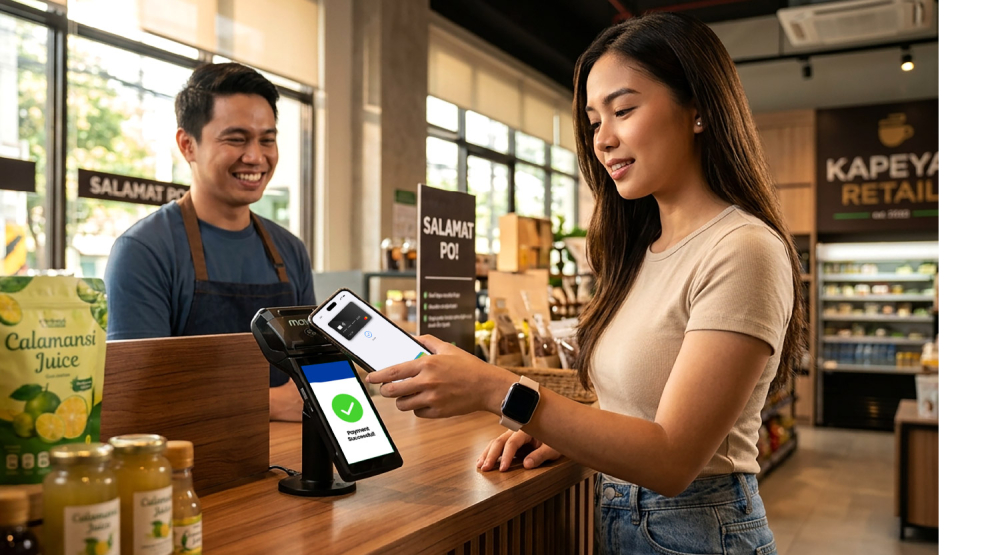
For physical merchants, this can reduce the number of QR codes displayed at the counter while allowing customers to use their preferred participating app. The customer simply opens a supported banking or e-wallet app, scans the merchant’s DuitNow QR code and confirms the payment.
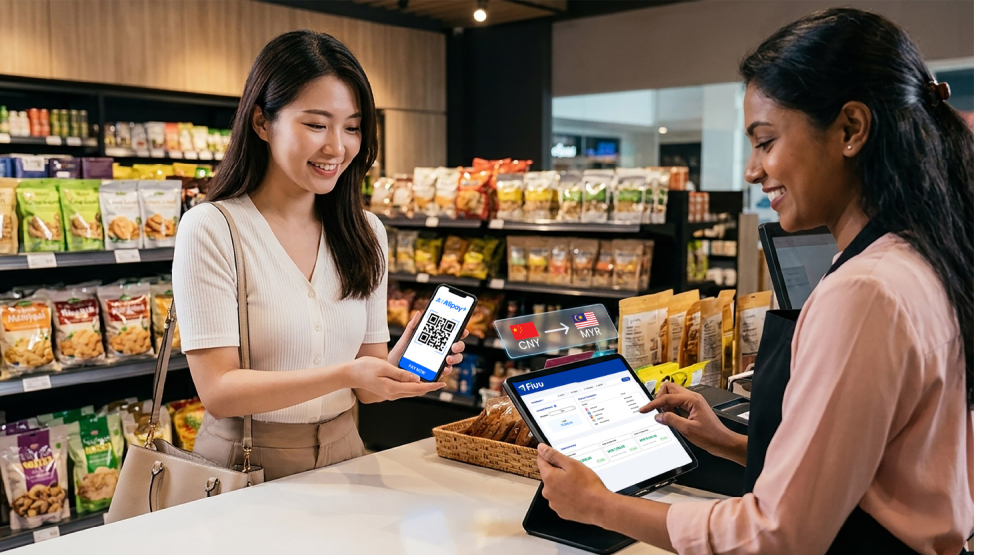
Cross-border wallet acceptance extends this coverage to international visitors. Through the Fiuu Alipay+ Solution, eligible merchants can accept supported regional wallets such as GCash, KakaoPay, DANA and TrueMoney, depending on their market and setup.
This can be valuable for hotels, restaurants, retailers, healthcare providers, tourist attractions and other businesses serving regional customers. Allowing visitors to pay with a familiar home-market wallet reduces the need to search for cash or switch to a less familiar payment method.
Support Customers Across Different Sales Channels
Customers may interact with the same merchant across several channels. They may discover a product on social media, receive a payment link, complete a purchase through a website or pay at a physical outlet.
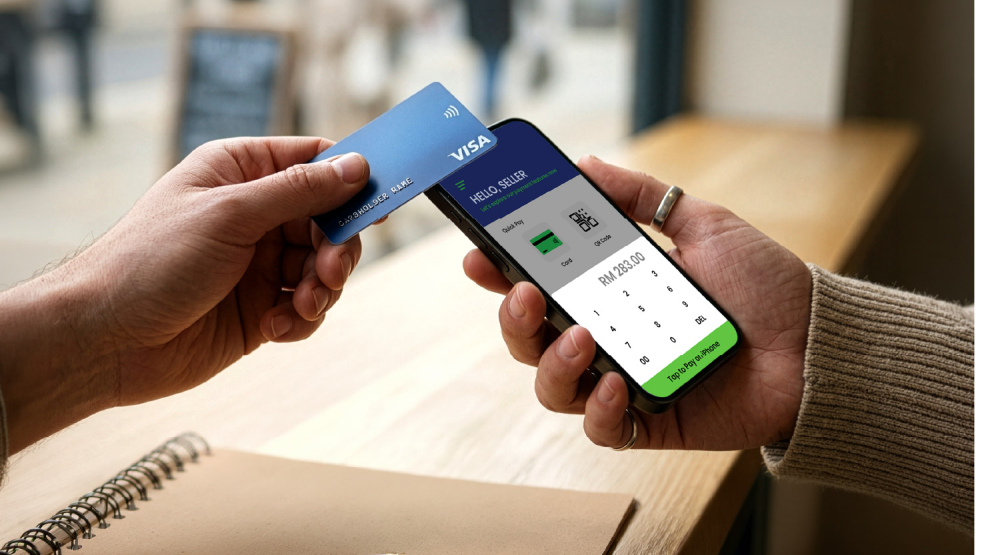
Depending on the payment method and merchant configuration, Fiuu can support payment acceptance across online checkout, mobile or in-app experiences, payment links, Virtual Terminal, physical terminals and DuitNow QR.
This allows merchants to develop their payment mix around how customers actually shop instead of limiting acceptance to one wallet or sales channel.
Build Checkout Coverage Around Customer Preferences
TNG Digital’s evolution reflects a broader change in Malaysia’s payment market: e-wallets are becoming part of consumers’ everyday financial habits.
However, the merchant opportunity is not limited to one wallet. Customers use different e-wallets, banking apps, cards and payment methods depending on their preferences and purchase context.
With Fiuu, eligible merchants can access major Malaysian e-wallets, DuitNow QR, cross-border wallets, cards, FPX and other supported methods through one integration and payment platform.
Sign up as a Fiuu merchant or contact [email protected] to explore the appropriate payment-method coverage for your business.
Frequently Asked Questions
-
What are recurring payments?
Recurring payments are payments collected according to an agreed billing schedule after the customer has authorised the arrangement. They are commonly used for subscriptions, memberships, maintenance plans and other ongoing services.
-
How do recurring payments work for service businesses?
Businesses can offer customers a recurring plan for services provided regularly. Once authorised, eligible payments can be collected according to the agreed schedule instead of requiring a new payment for every service period.
-
Can businesses offer different recurring payment plans?
Yes. Businesses can structure recurring arrangements around different billing cycles and service packages, depending on their merchant setup and applicable payment terms.
-
What happens if a recurring payment fails?
Fiuu provides notifications for successful and failed recurring payment attempts so merchants can follow up when needed. Because card details are tokenised, a follow-up charge can be attempted without asking the customer to re-enter the same payment information.
-
Do customers need to enter their card details every billing cycle?
No. Card details can be tokenised during the initial authorised payment, allowing subsequent eligible recurring charges to be processed without requiring customers to re-enter them each time.
-
Are there any limits on how long a recurring arrangement can run?
Recurring payment arrangements may be subject to specific terms, including a defined billing period or transaction intervals, depending on the payment method and setup. Businesses planning longer-term subscriptions or memberships should confirm the applicable requirements with Fiuu during onboarding.
-
Does Fiuu support Direct Debit for regular payments?
Yes. Fiuu provides a separate Direct Debit solution for businesses that need to collect regular payments. Availability and requirements may vary by market and merchant setup.
-
Which service businesses can use recurring payments?
Recurring payments may suit businesses that provide regular or scheduled services, including cleaning, maintenance, IT support, education, memberships and other subscription-based services.
-
How can a business start accepting recurring payments with Fiuu?
Businesses can register as a Fiuu Merchant or contact Fiuu's sales team to discuss the most suitable recurring payment setup for their business.
Related Posts
















Your one-stop payment partner for business growth.
Sign Up
Comprehensive Payment Channels
Unlock over 110 major payment methods across Southeast Asia.

One Integration, One Platform
Enables business to accept local and cross-border payments in Southeast Asia.

Seamless, Easy, and Instant
Sign up with digital on-boarding and start accepting payment within minutes.