
ASEAN 2026: Best Payment Gateway Guide for Philippine Tourism Merchants
April 07, 2026
Overview
As the Philippines prepares to assume the ASEAN Chairmanship in 2026, the country has emerged as one of Southeast Asia’s strongest tourism economies. According to the World Travel and Tourism Council (WTTC), tourism contributed USD 91.8 billion (approximately ₱5.36 trillion) to the Philippine economy in 2025, positioning it ahead of regional peers such as Indonesia, Thailand, and Singapore.
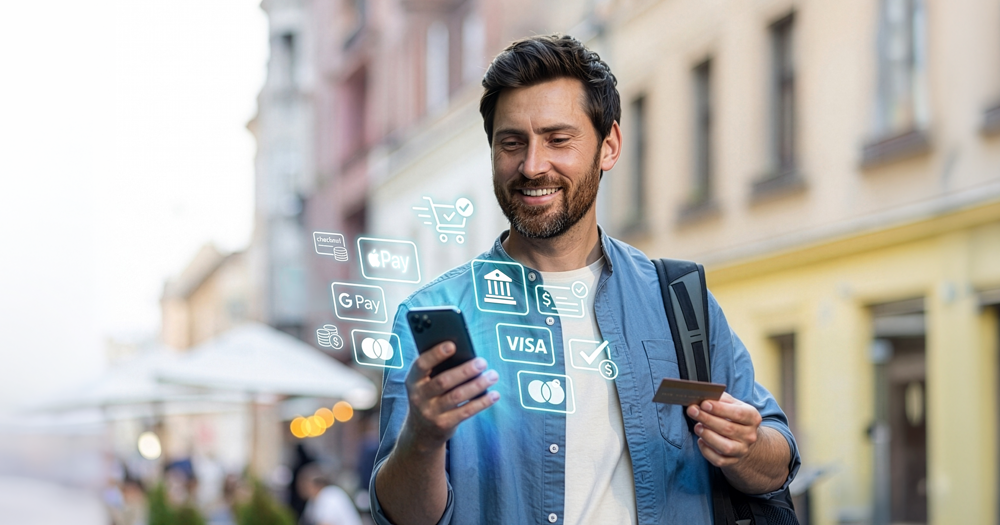
For merchants across retail, hospitality, and travel, today’s tourists are cashlight and mobilefirst. International and regional visitors increasingly expect to pay using digital wallets like GCash and Maya, international card networks, and contactless wallets such as Google Pay.
To remain competitive and capture rising tourist spend, businesses need a payment gateway in the Philippines that supports modern, omnichannel digital payments across both physical and online channels.
Digital Payments in the Philippines’ Tourism Economy
With tourism accounting for nearly 20% of the Philippine GDP and supporting over 11 million jobs, the sector has become a primary driver of national revenue. Tourists arriving from markets such as Malaysia, Singapore, Thailand, and China bring diverse payment preferences shaped by their home ecosystems.
To capture this footfall, your payment infrastructure must support:
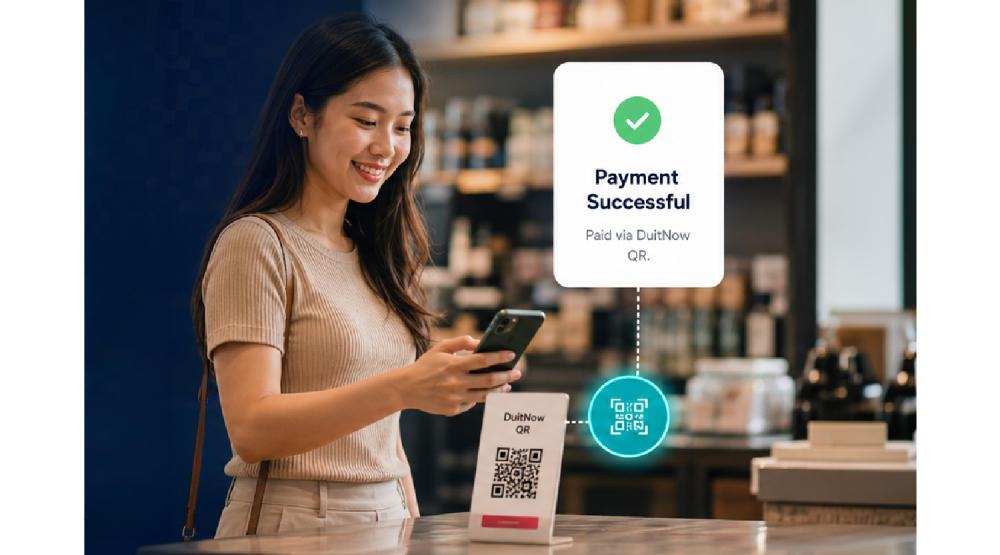
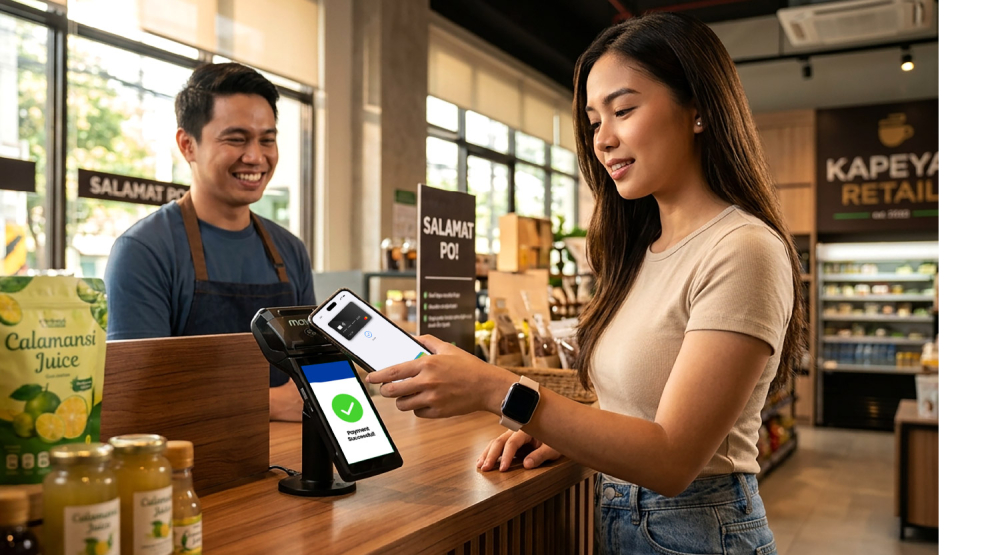
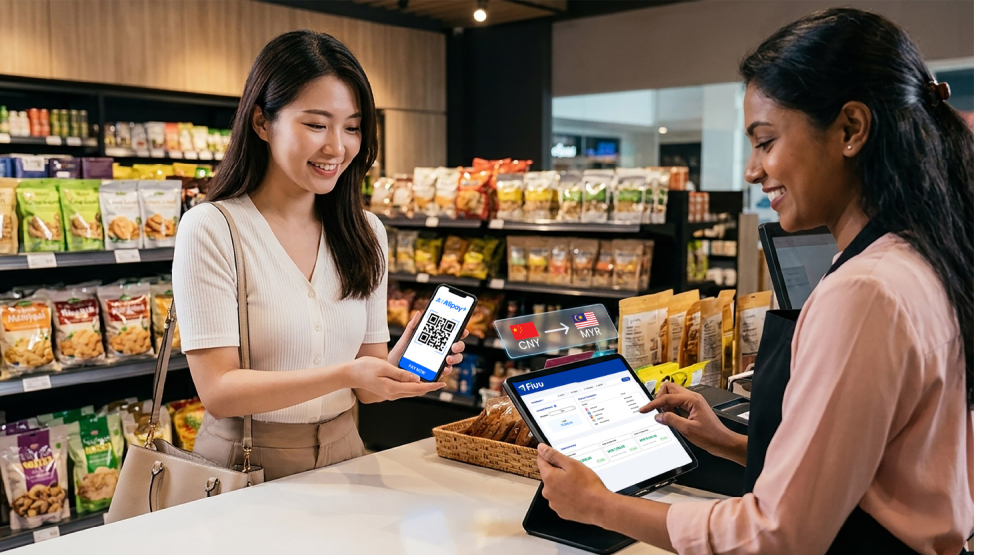
- Interoperable QR Ph: Accepting local giants like GCash and Maya, while also enabling seamless cross-border scans from regional operators like Malaysia’s DuitNow or Thailand’s PromptPay.
- Omnichannel Card Acceptance: Frictionless acceptance for major card networks like Visa, Mastercard, JCB and global wallets like Google Pay.
- Pre-Arrival Payments: Secure online payment gateways for hotel bookings and tour reservations to build engagement and trust before the tourist even lands.
Modernizing the Checkout with QR Ph and Virtual Terminal
Capturing the regional and global traffic requires modern, innovative payment solutions. Leverage flexibility that makes payments as easy as possible.
1. Static or Dynamic QR Ph
Static QR: A permanent, cost-effective QR code ideal for boutiques or fixed-price services. It’s the easiest way to enable QR payments via e-wallets and regional bank apps.
Dynamic QR: The gold standard for high-volume retail. It’s a unique QR code which allows QR payments, with automatic reconciliation and reduced manual entry errors.
2. Fiuu Virtual Terminal: The Hardware-Free Advantage
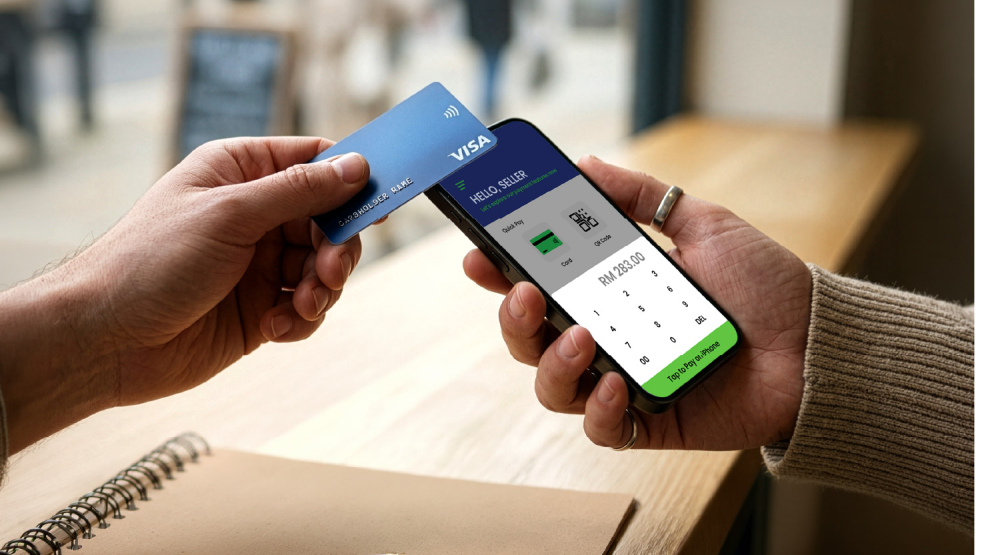
For businesses that need mobility, whether in retail or outdoors, the Fiuu Virtual Terminal transforms any smartphone into a secure POS. It allows merchants to accept credit, debit cards and mobile wallets in-person or online via payment links, anytime the customer is ready to pay.
Choosing the Right Payment Gateway in the Philippines
In 2026, your choice of payment service provider is a strategic business decision. You aren't just looking for a payment processor; you’re looking for a partner that simplifies the complexities while you focus on your bottom line.
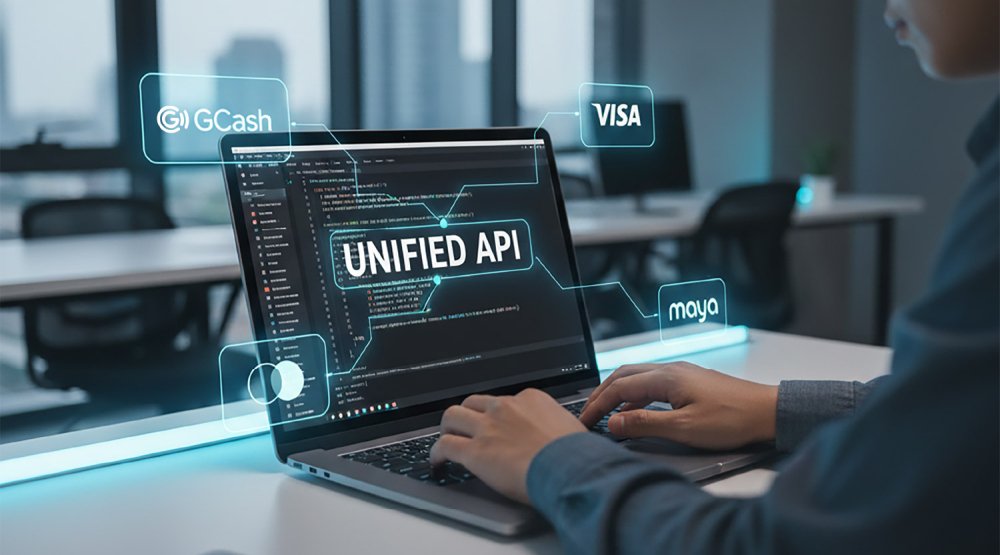
- Integrated Efficiency: Don't juggle five different apps. Consolidate all your payment channels into one single API. This saves your finance team hours on manual work. Check out our guide on the 3 key considerations for the right payment gateway in the Philippines.
- Contactless Capabilities: As travelers move away from physical cards, supporting NFC-enabled wallets is non-negotiable. If you haven't yet, here is how to enable Google Pay for Filipino merchants to ensure you are ready for the mobile wallet surge in the Philippines.
Upgrade your Payment Infrastructure with Fiuu
As Filipino businesses prepare for the increase in international visitors, don’t let your checkout be the bottleneck to your revenue. Equip your business with the industry-leading payment solutions when you integrate with Fiuu today.
Sign up as a Fiuu merchant now at https://booster.fiuu.com or drop us an email at [email protected] for further enquiries.
Related Posts














Your one-stop payment partner for business growth.
Sign Up
Comprehensive Payment Channels
Unlock over 110 major payment methods across Southeast Asia.

One Integration, One Platform
Enables business to accept local and cross-border payments in Southeast Asia.

Seamless, Easy, and Instant
Sign up with digital on-boarding and start accepting payment within minutes.